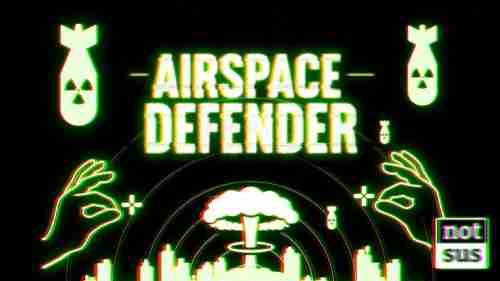
There’s something timeless about defending a city from the relentless barrage of missiles hurtling from the skies. Airspace Defender takes the classic Missile Command arcade gameplay and reinvents it for VR and mixed reality (MR), blending nostalgia with innovative hand-tracking controls and immersive visuals.
This isn’t just a carbon copy of the 1980s original. Instead, Airspace Defender updates the formula with modern design sensibilities, creating an experience that feels fresh and engaging, even for players unfamiliar with its arcade predecessor. While it doesn’t boast a particularly memorable title, the game’s smart execution makes it stand out.
From Trackballs to Finger Flicks
The core concept of Airspace Defender is deceptively simple yet immensely satisfying: defend a city, divided into eight sectors around a central base, from waves of incoming missiles, helicopters, and other threats. What makes this version unique is how it adapts the hemispherical play area to MR.
In mixed reality, the game feels perfectly at home. The protected hemisphere is visually self-contained, appearing like a giant snow globe resting in your physical space. This design allows the action to feel intimate and immediate, making excellent use of the passthrough technology on Meta Quest headsets. The sense of scale, combined with the tactile controls, immerses you in the task of protecting your city like never before.

Unlike the classic game’s trackball controls, Airspace Defender uses hand tracking with impressive precision. A simple pinch launches countermeasures, while finger clicks handle menu navigation and turret upgrades. The animations and sound effects lend a sense of tactility, making interactions feel satisfying even without physical feedback.
Between rounds, you face strategic choices: invest resources in upgrading your turrets with rockets, lasers, or mini-guns, or rebuild destroyed city sectors. Each decision shapes your strategy for the next wave, adding a layer of depth to the otherwise fast-paced action.

However, while the gameplay core is solid, the title leaves something to be desired. While Missile Command VR might have been a natural fit, copyright restrictions rule it out. A more evocative name, like Sky Shield or Defend the Dome, could better reflect the game’s retro-modern charm.
The Zen of Frenzy
If you’re looking for a game that gets your adrenaline pumping, Airspace Defender delivers. Its pacing is perfectly tuned for short, intense play sessions, with each wave escalating in challenge. By the fourth or fifth round, chaos reigns, and you’ll find yourself frantically pinching at an onslaught of missiles. The steep difficulty curve feels fair, rewarding quick reflexes and sound decision-making without overwhelming the player.

The game offers two modes: a VR-only option and a mixed reality mode. The MR experience is the standout, projecting the game into your living space and adding a unique tactile feel to the action. The VR mode, while functional, suffers from the lack of environmental context. With no skybox or backdrop to frame the action, the black void can feel a bit sterile compared to the immersive MR setup.
Arcade Aesthetics in Living Color
Visually, Airspace Defender sticks to a retro-inspired neon aesthetic that evokes the charm of classic arcade games while embracing the polish of modern visuals. Explosions are vibrant and satisfying, and the minimalist art style keeps the action clean and easy to follow.
The MR mode, in particular, benefits from the interplay of colorful effects against your real-world surroundings, creating a dynamic and engaging battlefield. While the VR mode is serviceable, the absence of backdrops or skyboxes feels like a missed opportunity. A starry night or planetary skydome could have elevated the experience significantly, adding a sense of place to the chaos.
Synthesized Sonic Siege
Audio plays a significant role in Airspace Defender, and the design doesn’t disappoint. Explosions are crisp and impactful, and each turret type has its own distinct sound signature, from the zap of lasers to the whoosh of missiles. These effects not only enhance the gameplay but also provide crucial audio cues during frantic moments.

The 80s-inspired electronic rock soundtrack ties the experience together, evoking the nostalgic energy of classic arcade titles. While it may not be groundbreaking, it complements the action perfectly and adds to the game’s retro-modern atmosphere.
Small Skies, Big Fun
For all its strengths, Airspace Defender does have its limitations. With only two city maps—one for normal difficulty and one for hard—the game could benefit from more environments to keep things fresh. Leaderboard competition adds some replayability, but the addition of new maps or dynamic challenges would do wonders for its longevity.

Looking to the future, a co-op multiplayer mode could inject new life into the game, offering players the chance to defend their cities together. For now, the game’s short sessions and leaderboard rivalries provide enough motivation to keep coming back.
At $12, the game is reasonably priced, offering excellent value for its polish and engaging mechanics.
The Final Countdown
Airspace Defender is a tightly designed arcade experience that makes excellent use of VR and MR technology. Its intuitive controls, fast-paced gameplay, and vibrant aesthetic make it a worthy addition to any Meta Quest library.

While it could use a few more maps and a skybox for VR mode, the game excels where it counts: delivering accessible, chaotic fun that’s easy to pick up and hard to put down. Whether you’re chasing leaderboard glory or simply enjoying the retro-modern charm, Airspace Defender is a blast from the past worth revisiting.